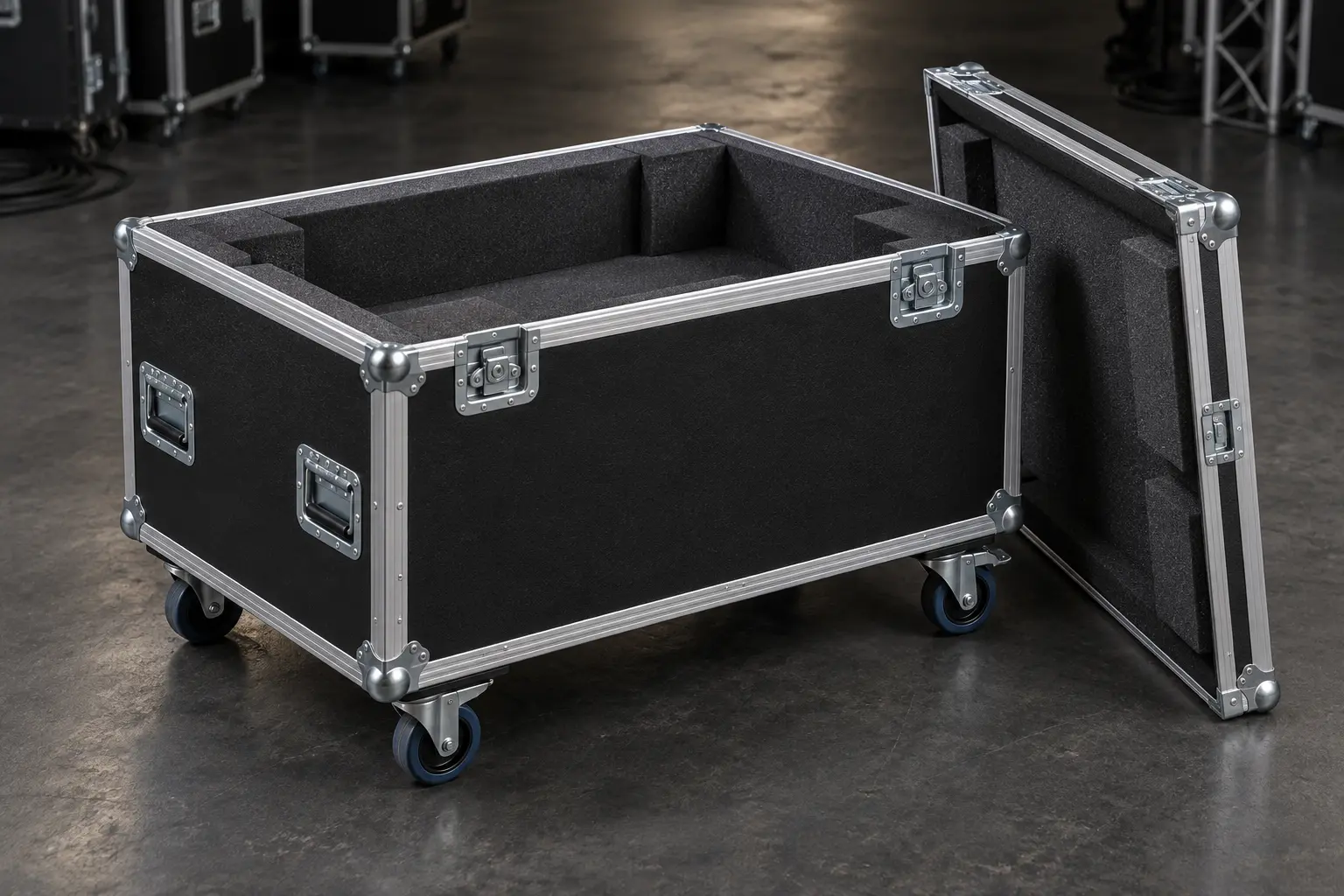
01 / FINISHED CASE
Custom Plywood Flight Cases
Panel construction, aluminum profiles, handles, latches, casters and internal protection configured around the equipment and transport conditions.
Compare case options ↗Product systems
Choose a finished protective case, a CNC-cut interior, or a coordinated component kit for local assembly. Every route starts with the equipment, handling method, quantity and destination—not a one-size-fits-all stock model.
Panel construction, aluminum profiles, handles, latches, casters and internal protection configured around the equipment and transport conditions.
Compare case options ↗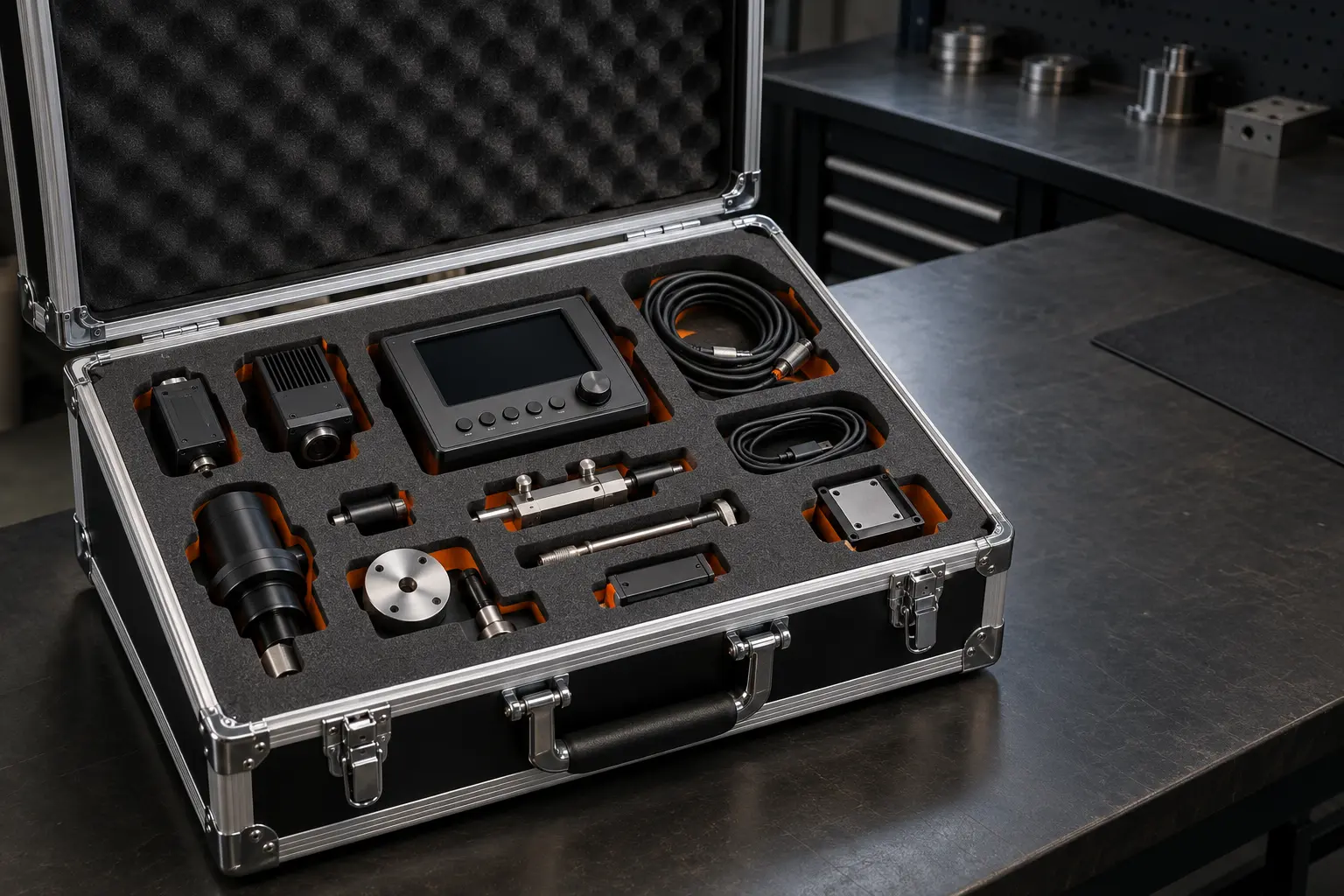
EVA, PE, XPE and PU layouts with layered cavities, finger access, accessory storage and equipment-specific fit.
Review foam choices ↗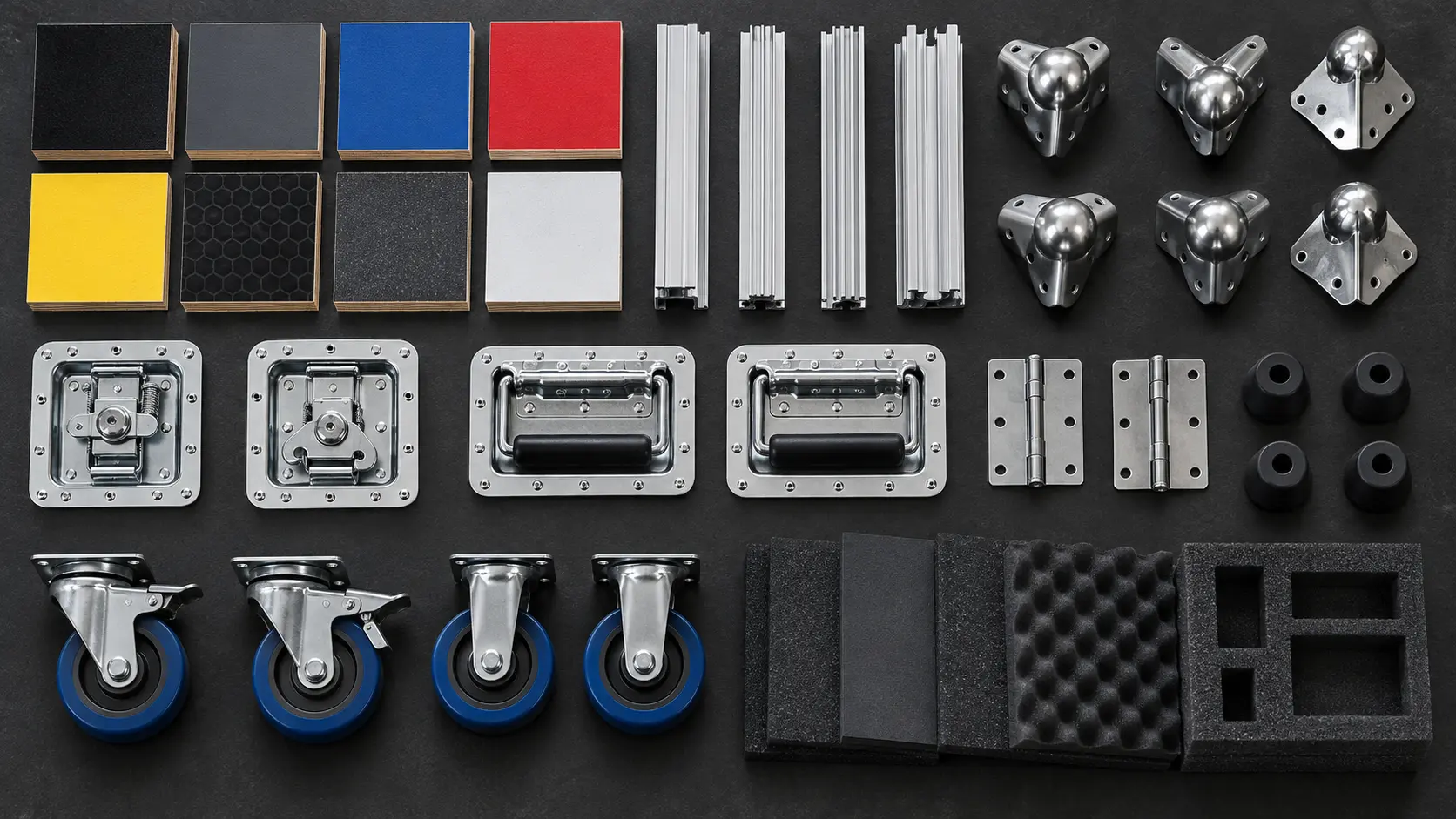
Pre-cut panels, profiles, sourced hardware and machined foam prepared as an approved bill of materials for qualified overseas assembly.
See kit scope ↗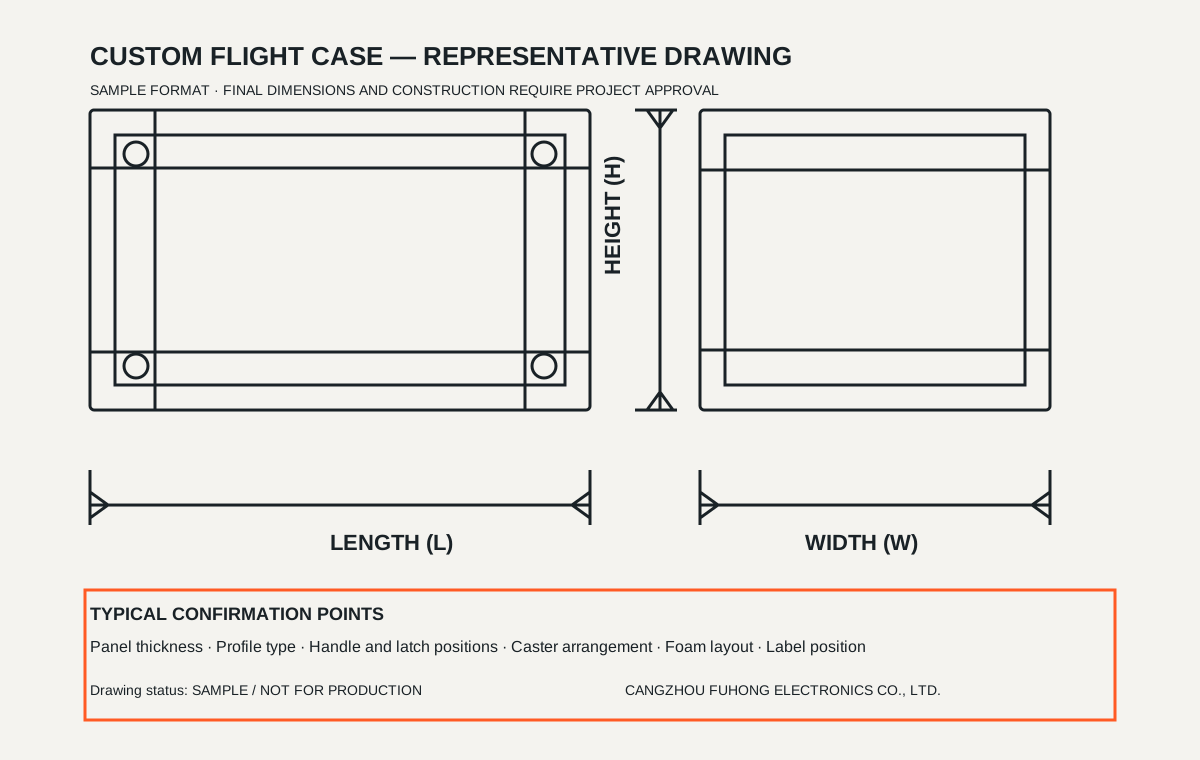
Requirement capture, configuration drawings, paid prototype records and project-specific pre-shipment checks before repeat production.
See engineering workflow ↗Choose a finished case when you want one supplier to coordinate structure, hardware, interior fit, assembly and final checks.
Choose a custom foam interior when the main requirement is equipment location, cushioning, presentation or accessory organization.
A flat-pack kit can reduce shipped volume in selected projects, but only when the receiving team has the tools and quality controls to complete the build.
Send photos, dimensions, total weight, quantity, destination and required date. We can begin with a practical configuration review.
Choose this when you need a complete, ready-to-ship unit with the interior built in. The case and the foam are specified together, so tolerances and hardware match.
Choose this when you already own the case, drawer or box and only need the interior. Send the internal dimensions and we build to them.
Choose this when freight volume is the main cost problem, or when you assemble locally. Panels, profiles, hardware and machined foam ship as one kit.
Where the fit or handling is uncertain, a paid prototype is the cheaper way to find out before committing to a batch.
Send the equipment details and we will say which route is likely to be cheaper for your volume and destination.
Our 15-page Chinese-language brochure covering the product lines, applications, materials and order process. Download the PDF (2.3 MB). An English edition is in preparation — for English-language specifications, ask us directly.
The case and the interior are specified together, so panel thickness, hardware and foam grade are matched to one another. This is the route that avoids tolerance mismatches.
Built to the internal dimensions of a case you already own. The critical input is the inside measurement, not the equipment size alone.
Panels, profiles, hardware and machined foam supplied for assembly at the destination. The specification has to be complete enough for someone else to build correctly.
A customer assembling locally may still buy machined foam from us, and a customer buying a finished case may later switch to kits as volume grows. The drawing carries over either way.
In all three routes the cavities are routed rather than cut, and the dimensions come from an approved drawing rather than a verbal description.
Each step reduces an assumption, which is why a repeat order costs less than a first order.
Finished case, insert only, or flat-pack kit. If you are unsure we will say which is cheaper for your volume and destination.
Equipment dimensions, case internal dimensions where relevant, quantity, transport mode and destination.
Dimensions, materials, foam layout and hardware confirmed in writing before anything is cut.
Reorders are produced from the approved drawing, so the tenth unit matches the first.
We build to your equipment, not to a stock catalogue. If a standard size happens to fit, we will say so and quote it as a standard size.
An insert is designed to the internal dimensions of your case. We do not guarantee fit inside a case we have not measured.
Kit supply assumes competent local assembly. If assembly support matters, say so at quotation and it is quoted as a separate item.
Certification, testing against a supplied standard, and transit insurance are not included in production pricing.