Firm feel, clean finish and detailed routing for presentation and repeated handling.
Internal protection / 02
Precision-Cut
Foam Interiors
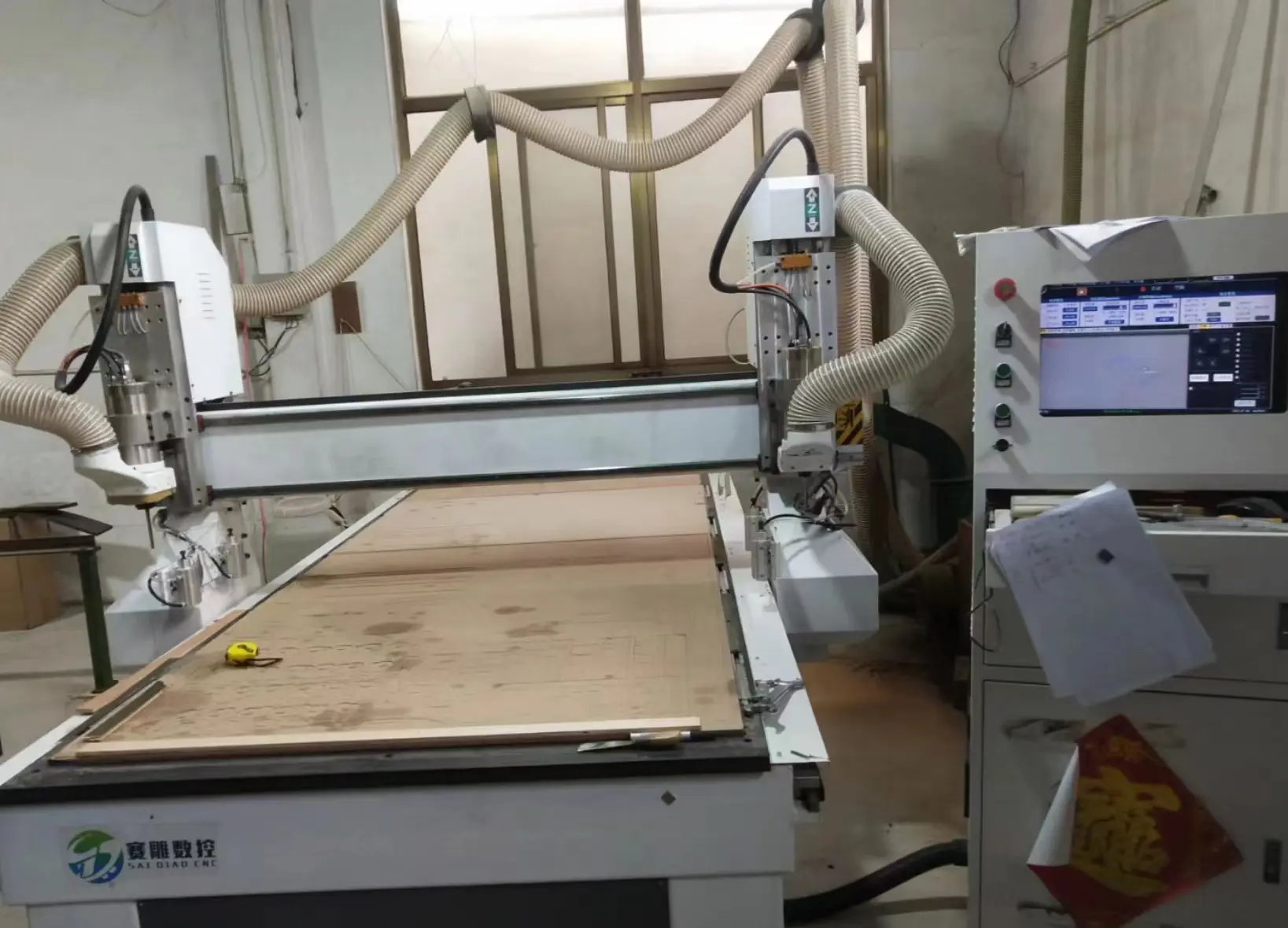
We select the foam type and density for the application, then CNC-machine the cavities and layers around the equipment dimensions.
Discuss the layout ↗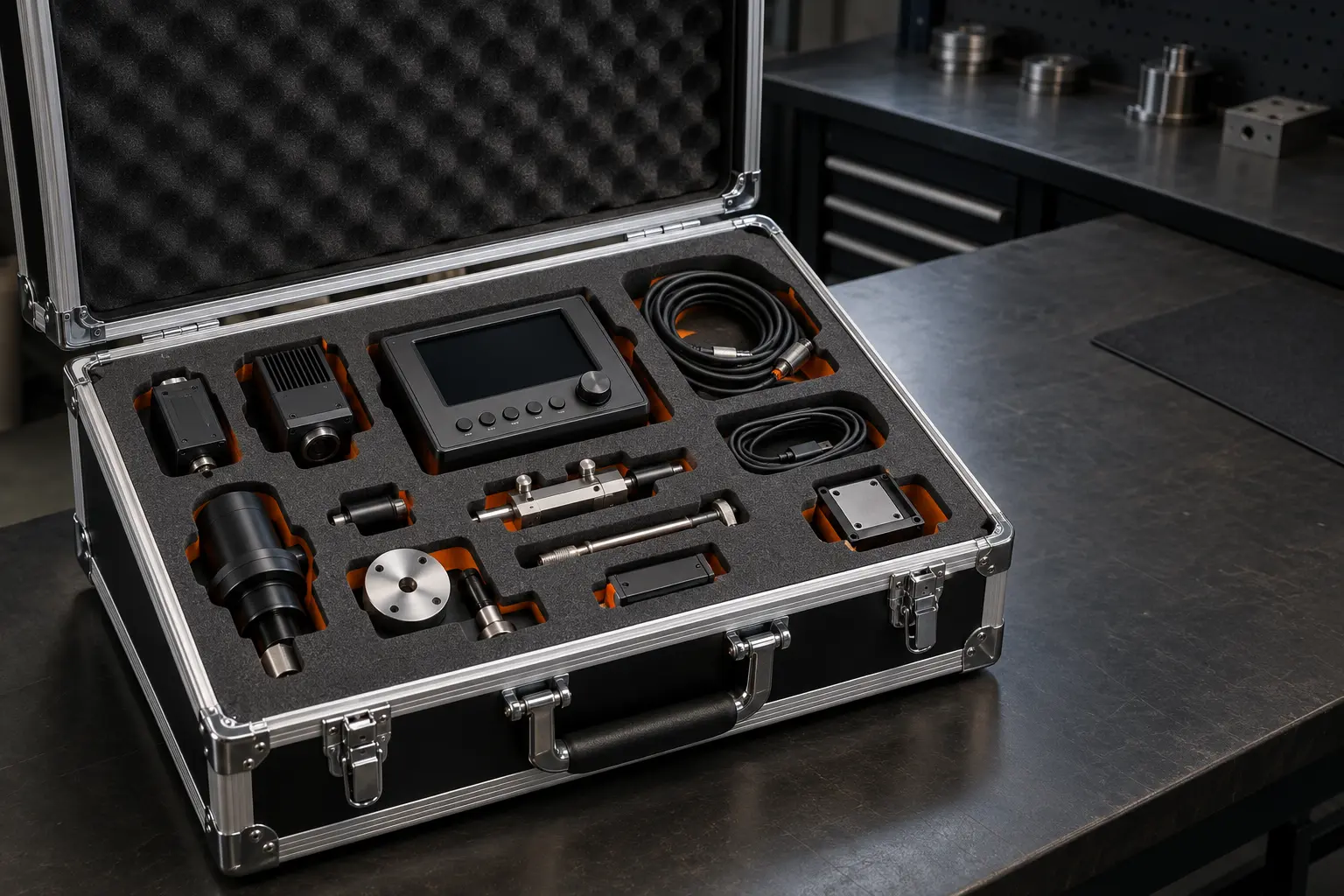
MATERIAL OVERVIEW
Choose by protection need.
Lightweight closed-cell options for general equipment transport.
Closed-cell construction with moisture-resistant grades available.
Softer contact and cushioning for delicate surfaces and lid protection.
FROM DATA TO FIT
Foam is designed around the equipment state.
We review the equipment, accessories, removal direction, finger access, fragile areas and the amount of cushioning available. Cavities are then machined, layered and trial-fitted to the approved layout.
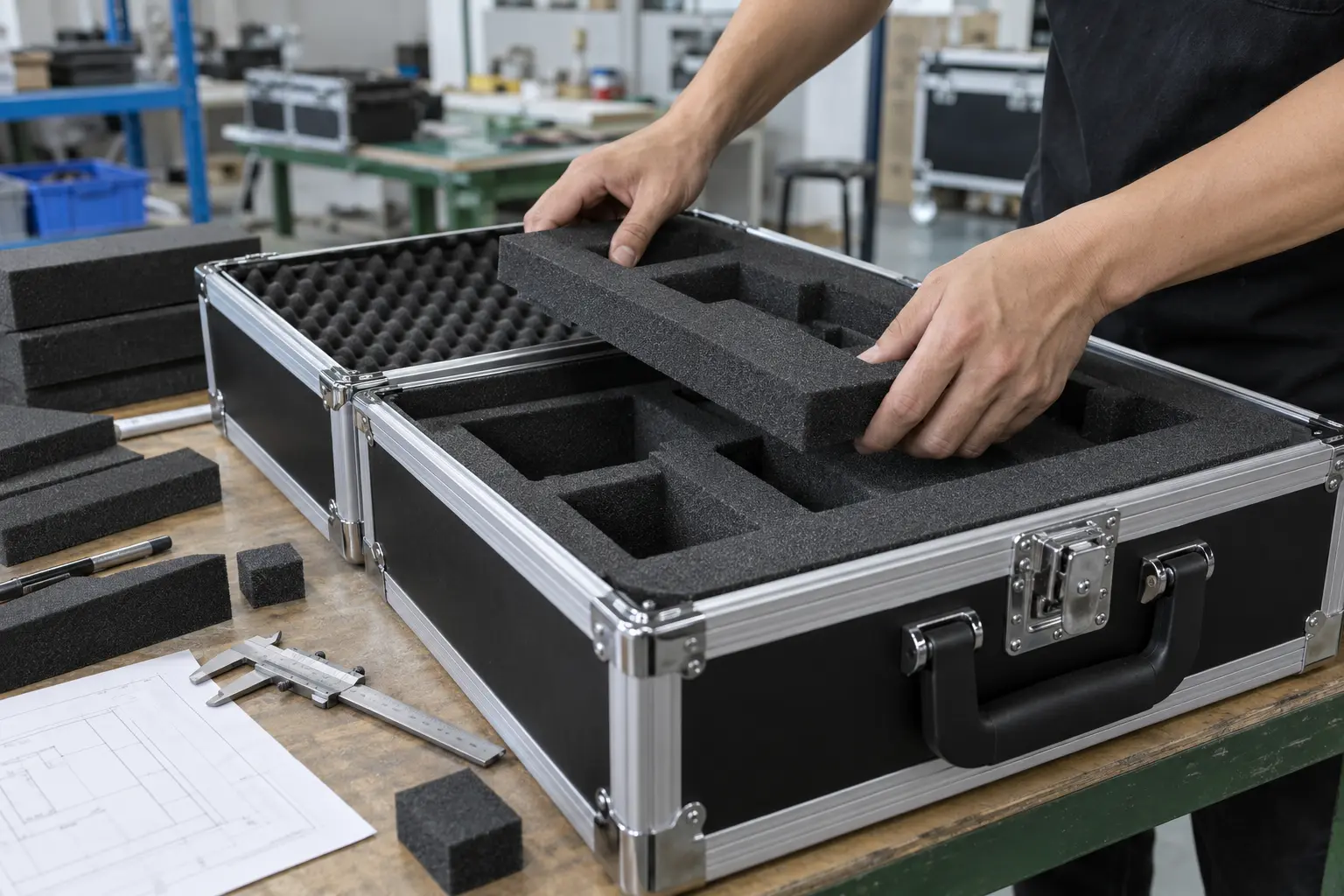
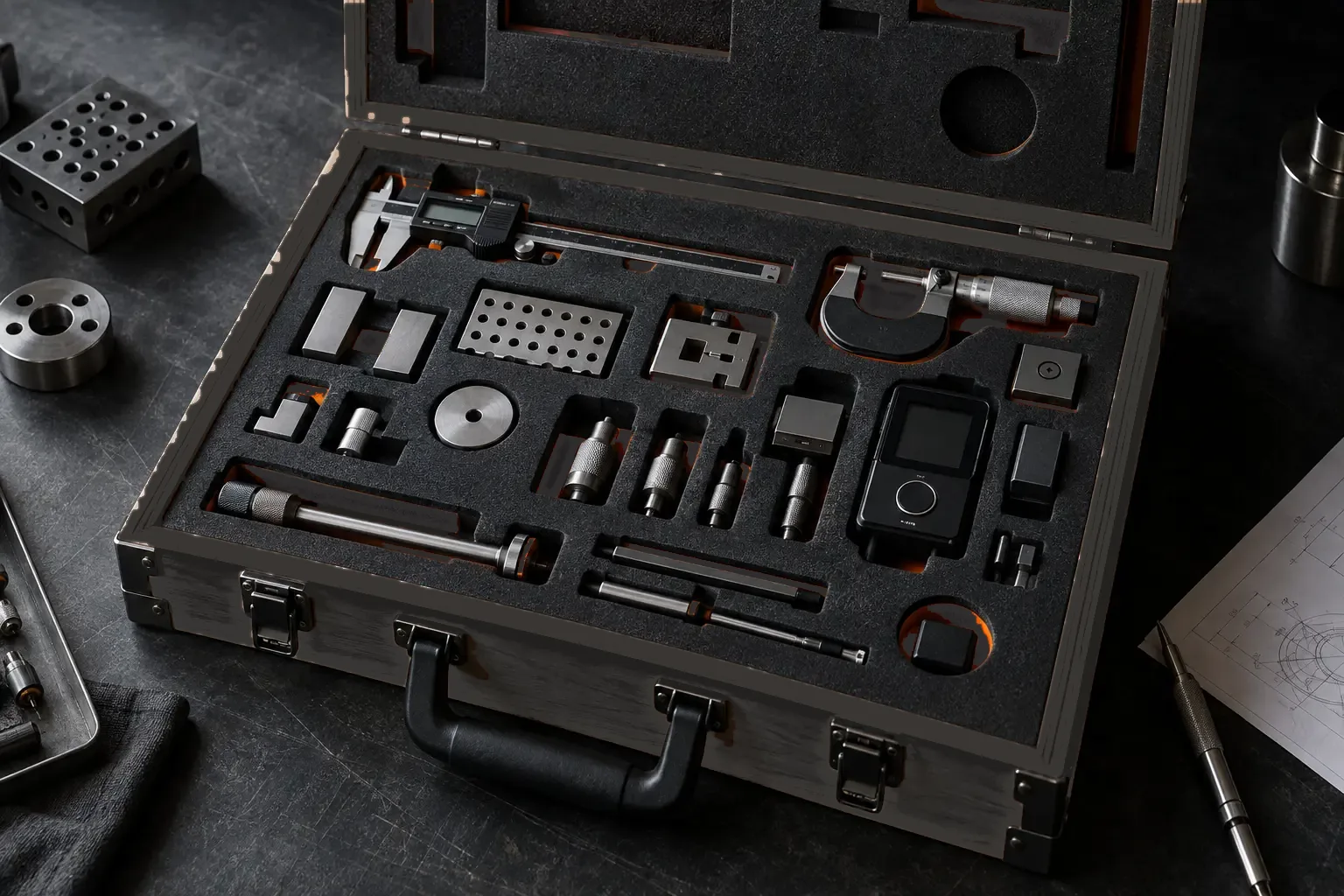

EVA is often considered for detailed routing, repeated handling and a clean finished appearance.
PE and XPE closed-cell options are commonly considered where resilience and lower water absorption are useful.
PU is commonly used for lid foam, lining or gentle surface contact; the exact grade still depends on the equipment.
Material claims need a specification
ESD, flame resistance, chemical resistance and temperature performance are confirmed only against the selected material data and agreed requirements.
WhatsApp +852 7084 0732 ↗MATERIALS
Foam types we route.
The most common choice for tools, instruments and electronics. Firm, closed cell, good rebound, and it can be laminated to a softer facing where delicate surfaces are involved.
The firmest and most economical option. Used for heavy items, base layers and where the insert must hold shape under load.
A finer cell structure than standard PE, giving a smoother routed surface. Preferred for precision items and parts with tight tolerances.
Open or closed cell, depending on the grade. Higher rebound, so it absorbs handling shocks where the equipment itself is sensitive to impact.
Closed-cell foam resists water absorption and is the default for transport. Open-cell foam is softer and used as a cushioning layer where the load is light.
Several materials in one insert — a firm base, a soft facing, a rigid support block — where a single grade would either crush or move.
FINISHING
Colours, surfaces and marking.
Black, warning orange, industrial blue, military green and custom red. Colour is specified per order rather than stocked as a catalogue line.
Cavities machined from dimensions or drawings, including multiple depths and undercuts inside a single block.
A soft velvet surface on the cavity walls, used where instruments are lifted in and out daily and the foam itself must not mark the equipment.
A film or fabric layer bonded to the foam face for abrasion resistance and a cleaner finished appearance.
Logos, part numbers or layout labels applied directly to the foam or facing.
Shaping where routing alone would leave a weak or awkward cavity geometry.
QUOTATION INPUTS
What we need to quote an insert.
The inside dimensions of the case, box or drawer the insert has to fit. This is the measurement most often missing from an enquiry.
Overall size of each item, including handles, connectors and anything that protrudes.
Which items must lift out, which can stay put, and whether the whole insert has to be removable.
A preference if you have one. If not, we propose a grade based on weight and transport.
One prototype, a small batch, or an annual volume. All three are quoted.
DESIGN RULES
How a good insert is designed.
Routing holds a shape repeatedly. A cut cavity is a one-off and rarely matches on a reorder.
Items that share a cavity will touch in transit. Contact between finished or calibrated parts is how damage starts.
Dense items sit on a firm base layer. The facing layer locates the item, it does not carry it.
Finger reliefs so the item is gripped by its housing rather than by a shaft, face or connector.
Where the whole insert comes out, weight and grip are part of the design, not an afterthought.
The foam that touches a finished surface is a specification decision, not a default.
SERVICE LIFE
How an insert ages, and what to expect.
EVA, PE and XPE do not absorb water the way open-cell material does, which is why they are the default for transport.
Foam that is compressed continuously in storage loses resilience. Cavities are sized for the item, not for a crush fit.
Wipe closed-cell foam with a damp cloth. Solvents and aggressive cleaning agents degrade the material.
An insert is only a spare part if the foam grade and routing match. Reorders run from the approved drawing for that reason.